Safety Induction Training for Africa-based Fieldwork & Operations
Reduce Operational Risk. Demonstrate Duty of Care. Operate with Confidence in the Field.
Structured pre-departure safety induction training and consulting for companies, universities, and NGOs operating in remote, wildlife-rich African environments. Prepare teams before deployment, reduce operational risk, meet duty of care obligations, and generate audit-ready documentation—without disrupting operations. Practical, compliance-ready, and fully tailored to field realities.
Led by experienced field professionals who combine on-the-ground expertise with risk-aware training design.
What We Do
Field Safety Induction Training for Governance & Operations
We deliver cohort-based African fieldwork and field operations safety inductions via live webinars or on-site sessions—designed to align with risk management, EH&S (Environmental Health & Safety), and duty-of-care frameworks.
Core Focus Areas
• Field-specific risk assessment and decision-making
• Wildlife awareness and avoidance strategies
• Emergency response planning and escalation protocols
• Safety best practices across African environments.
Compliance & Documentation
Training You Can Stand Behind
Our programs provide clear, defensible evidence of preparation—supporting internal governance and external scrutiny.
Cohort-based delivery aligned to teams or deployments
Completion certificates and attendance records
Optional centralized reporting for organization-wide oversight
Scalable from single projects to enterprise-wide adoption
Ideal for EH&S reviews, legal due diligence, audits, and incident preparedness.
Who We Support
Designed for Organizations with Field Responsibilities.
Our programs are designed for corporate and university managers, safety officers, project leaders, and field teams who are responsible for employee safety, operational continuity, and compliance with international duty-of-care standards.
Companies & Corporates
Protect Your People. Reduce Operational Risk.
Standardize field safety training across projects and regions while generating documentation that supports duty-of-care and corporate risk frameworks.
Consistent preparation for remote deployments
Reduced exposure from foreseeable field hazards
Documentation aligned with legal and EH&S expectations
Universities & Research Institutions
Field Safety Training That Meets Institutional Standards
Prepare students and researchers while supporting university duty-of-care, ethics, and fieldwork approval processes.
Cohort-based training for courses or field seasons
Certificates of completion and attendance summaries for EH&S
Scalable across departments or faculties
Venomous Bites & Stings
Awareness Training around Dangerous Wildlife & Large Animals
Remote Worksite, Expedition & Field Safety
Risk Management & Deployment Readiness
Outdoor Emergency Response
Tropical Diseases
Dangerous Animals & Outdoor Hazards
Webinar / Seminar Module - Overview
-
Yes. Even short-term deployments or rotating teams face wildlife and environmental risks. Pre-deployment training ensures staff are prepared from day one and reduces reliance on ad-hoc or informal safety practices.
-
Training helps organizations demonstrate proactive risk management, improve decision-making in the field, and reduce the likelihood of wildlife-related incidents. This supports legal compliance, insurance requirements, and corporate duty-of-care responsibilities.
-
Dangerous animal awareness training helps companies reduce incidents, protect employees, and meet duty-of-care obligations. Training prepares teams to recognize risks, avoid dangerous situations, and respond appropriately during wildlife encounters in remote or outdoor work environments.
-
Industries with outdoor operations, university student and research teams conducting fieldwork benefit most. Sectors include: mining, energy, construction, engineering, telecommunications, healthcare, research, and NGOs. Any organization deploying staff into wildlife-rich or remote African environments faces elevated safety risks.
-
Programs typically include dangerous animal awareness, environmental risk assessment, situational awareness, field safety protocols, emergency response planning, and incident prevention strategies tailored to specific locations and operational needs.
-
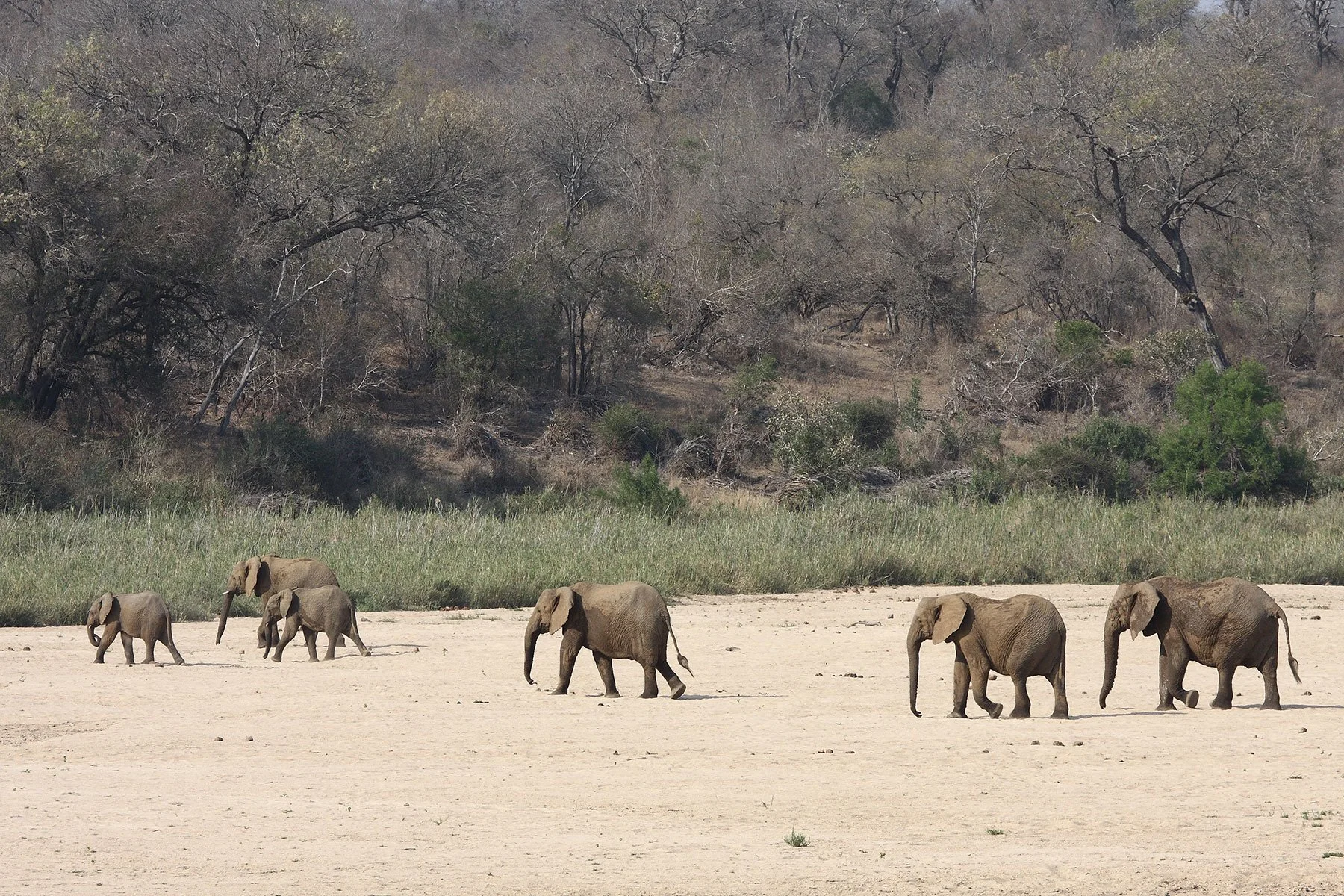
Teams operating outdoors in Africa may encounter crocodiles, elephants, hippos, big cats, venomous snakes and insects, and other wildlife. Risk levels vary by region, season, and activity. Understanding animal behavior and situational awareness is critical for preventing incidents.
Articles
Stay informed with expert articles on Africa’s dangerous wildlife, outdoor safety, biodiversity, conservation, and key environmental issues.
Join us on a journey of discovery as we explore the treasure trove of Africa’s rich biological diversity and natural heritage. Here we integrate all aspects of biodiversity into one holistic and interwoven fabric, from the smallest invertebrates to the enigmatic vertebrates —and botanical landscapes on which they depend.
Connecting people with nature