Duty of Care − energy and infrastructure development in remote regions
As energy and infrastructure projects expand into remote and wilderness areas, the responsibility to balance development with environmental stewardship has never been greater. Alignment with the United Nations Sustainable Development Goals (SDGs) is now a core requirement for many investors and lenders, including regional development banks. Human health, safety, and wellbeing sit at the heart of this global agenda — and at the centre of responsible project delivery.
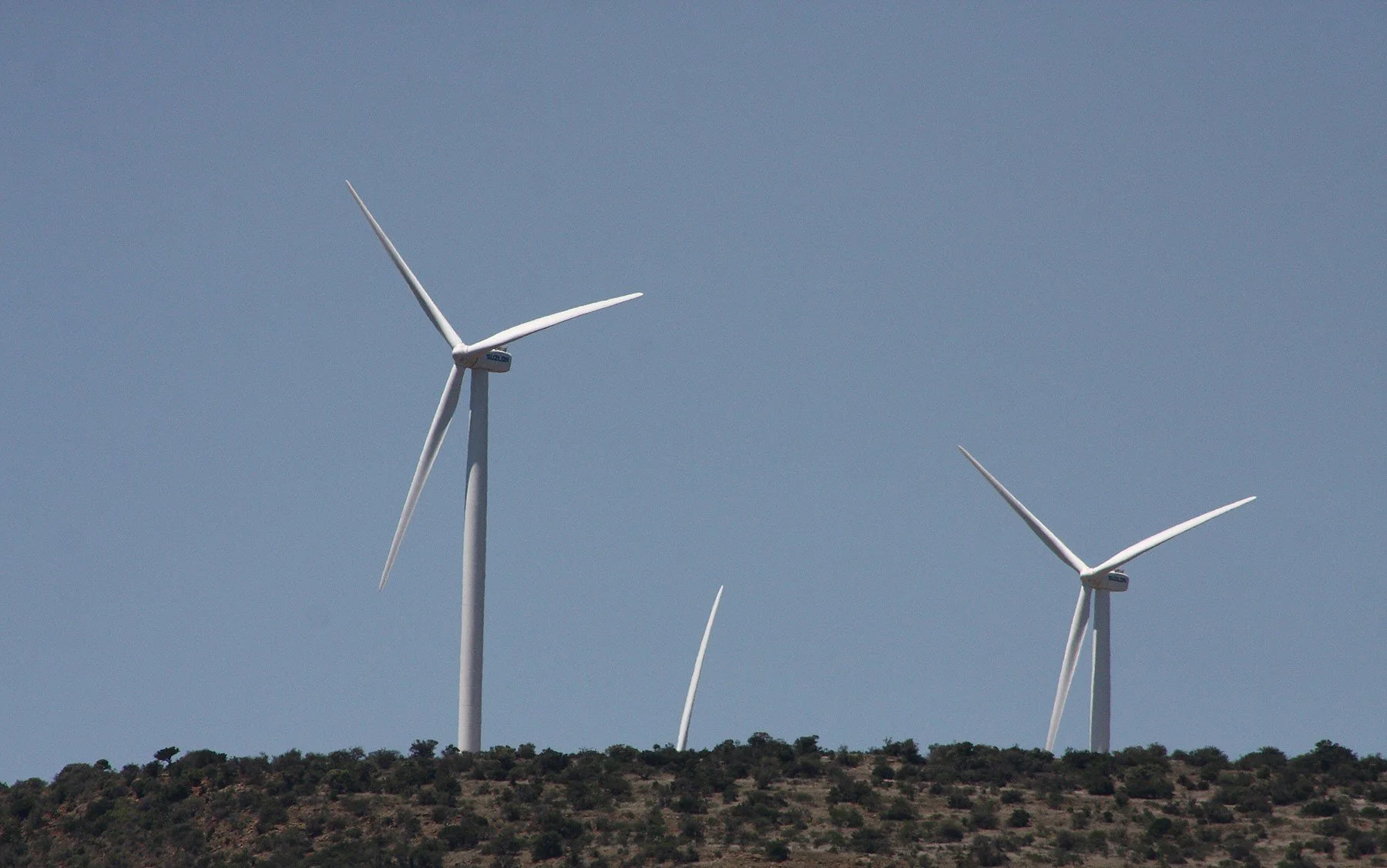
Wind and solar energy installations are increasing exponentially across the African landscape.
Companies operating in renewable energy, mining, telecommunications, and large-scale infrastructure face complex challenges in remote regions. Limited logistics networks, fragile supply chains, socio-economic and socio-political sensitivities, restricted access to skilled labour, and heightened environmental and biodiversity considerations all shape daily operations. In these environments, proactive risk management is not optional — it is essential.
Duty of care extends far beyond regulatory compliance. Investing in workforce wellbeing and safety protects both people and projects. Medical evacuations from remote sites are logistically difficult and extremely costly. Preventable incidents can trigger delays, operational shutdowns, reputational damage, and legal consequences. A robust, well-implemented duty-of-care strategy mitigates these risks before they escalate, safeguarding employees while ensuring operational continuity and maintaining investor confidence.
Across Africa, large-scale renewable energy initiatives are reshaping the energy landscape. Many developments are designed not only to power mining operations but also to supply electricity to surrounding communities, supporting socio-economic development alongside decarbonisation goals. Yet these projects frequently operate in biodiversity-rich and ecologically sensitive areas, where environmental understanding and field safety expertise are critical to long-term success.
Masterclasses in safety awareness around dangerous wildlife and outdoor hazards
Biodiversity & Environment Africa brings more than three decades of practical, on-the-ground experience supporting organisations in energy, mining, telecommunications, and infrastructure. We understand both the operational pressures of remote projects and the environmental realities that accompany them.

Do you know where the Granulated Thick-tailed Scorpion is found?
Nature is not an adversary to be controlled, but an interconnected system to be understood and respected. Every species plays a role in maintaining ecological balance. Keystone species — including crocodiles, snakes, spiders, and scorpions — are vital components of healthy ecosystems. Removing or disrupting one element can create cascading environmental impacts that ultimately affect both communities and operations.
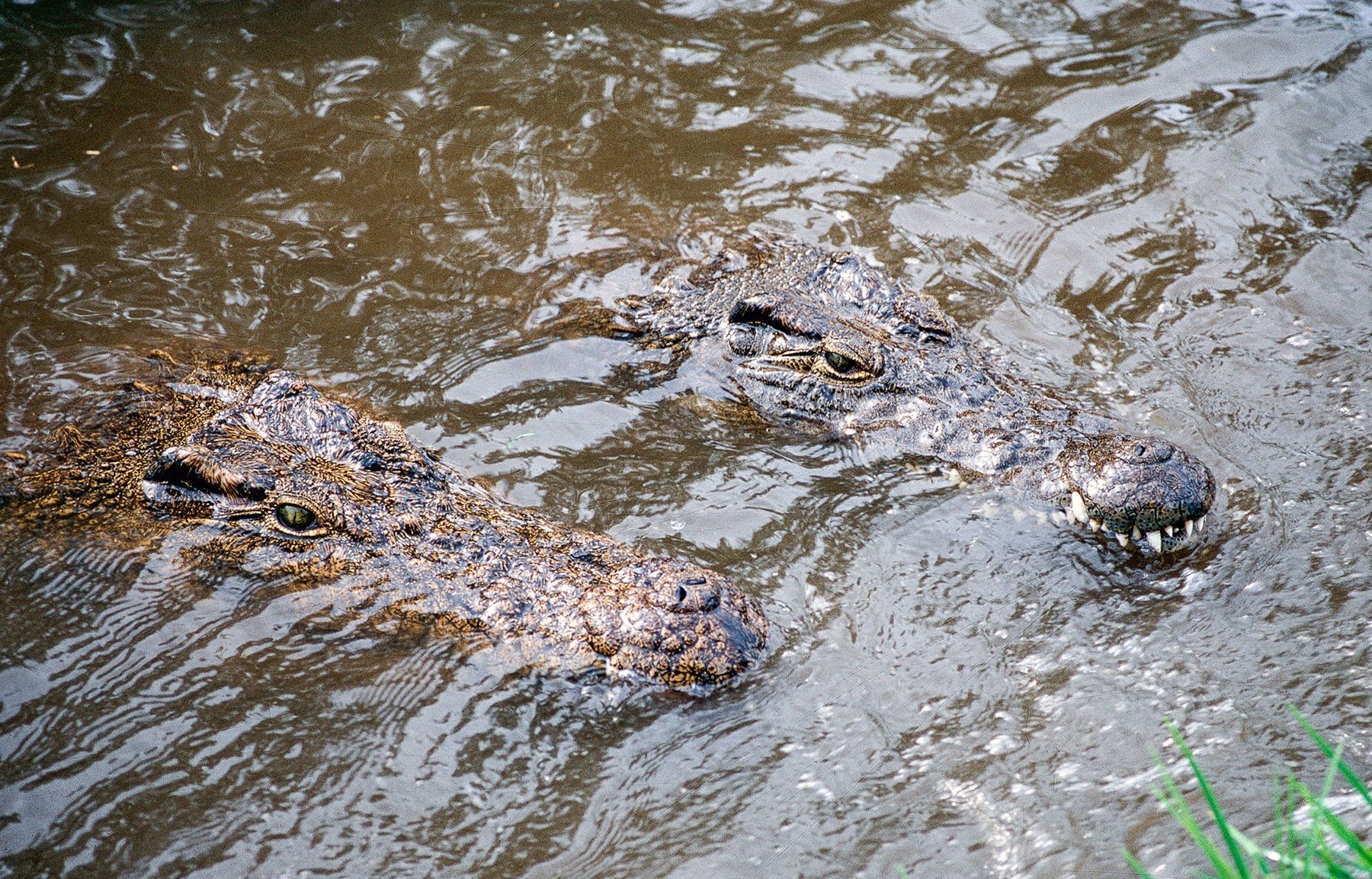
Hidden dangers lurk in many places, but thorough training and risk assessment will ensure that both humans and wildlife can coexist.
Our applied, practical masterclasses prepare field teams for real-world conditions. Training covers wildlife behaviour and risk awareness, species identification, environmental risk assessment, venoms and envenomation management, injury profiles and response protocols, basic field-based first aid, and broader outdoor hazards. Programmes are flexible and customised to align with each organisation’s operational context.
Pre-deployment preparation often makes the critical difference between disruption and resilience. When personnel enter worksites informed, confident, and equipped to recognise and respond to environmental risks, incidents decrease significantly. Integrating regional biodiversity expertise with occupational health and safety, risk management, conservation, and sustainability principles creates a comprehensive duty-of-care framework tailored to remote energy and infrastructure development.

Investing in workforce wellbeing and safety protects both people and projects.
Responsible development protects people, preserves ecosystems, and strengthens long-term project viability. Strengthening environmental and human safeguards is not only a moral obligation — it is a strategic investment in operational success.
Download our brochure or contact us to discuss how we can support your next remote project.